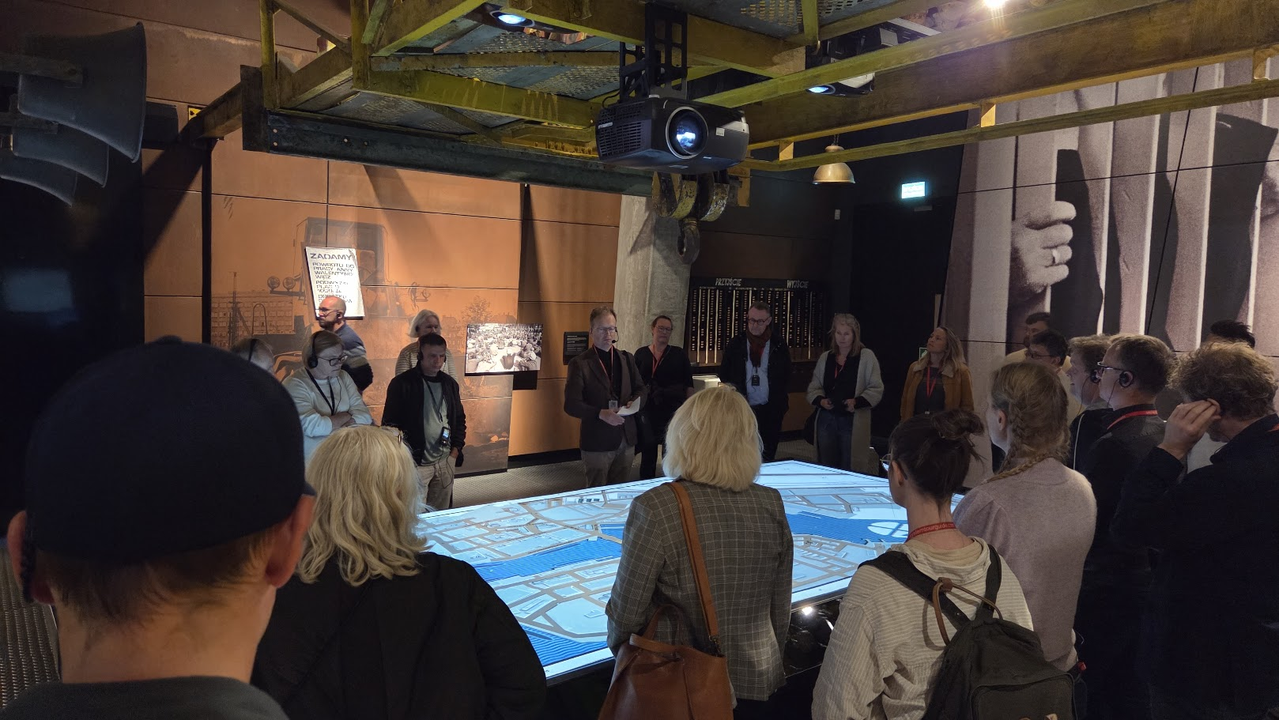
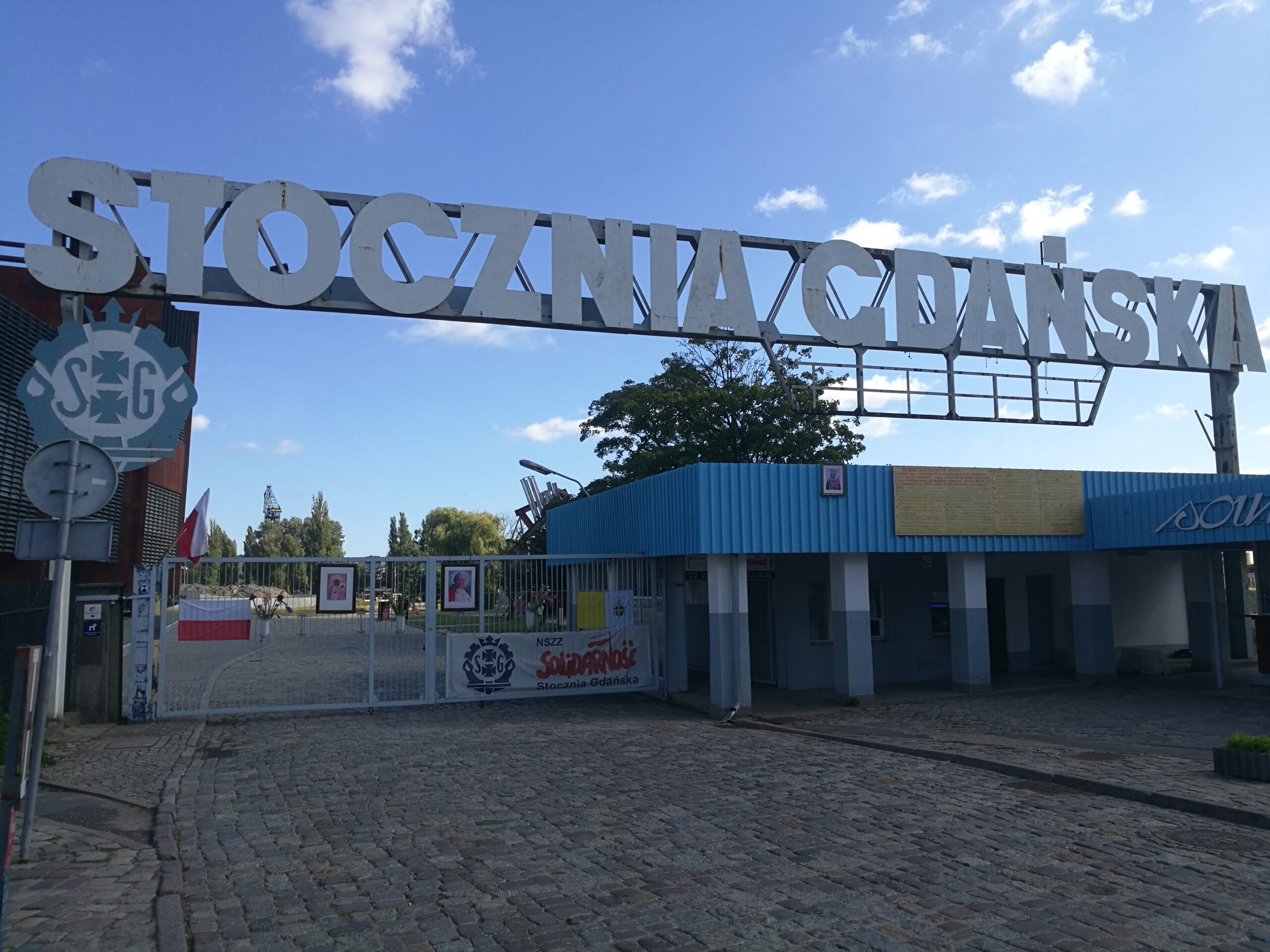
The Lenin Shipyard in Gdańsk was one of the world largest shipyards in the 1950s and 1970s. Although it was communist Poland, engineers, welders, mechanics and other specialists built some of the most modern ships of the time.
Is the Solidarity trade union now just history? Today, new residential buildings and offices are springing up on the shipyard grounds next to the slipways where ships are built. And in the former shipyard halls, you can enjoy a good meal or go to a concert. The shipyard areas are becoming part of the city, but shipbuilding continues, mostly on the island of Ostrów.
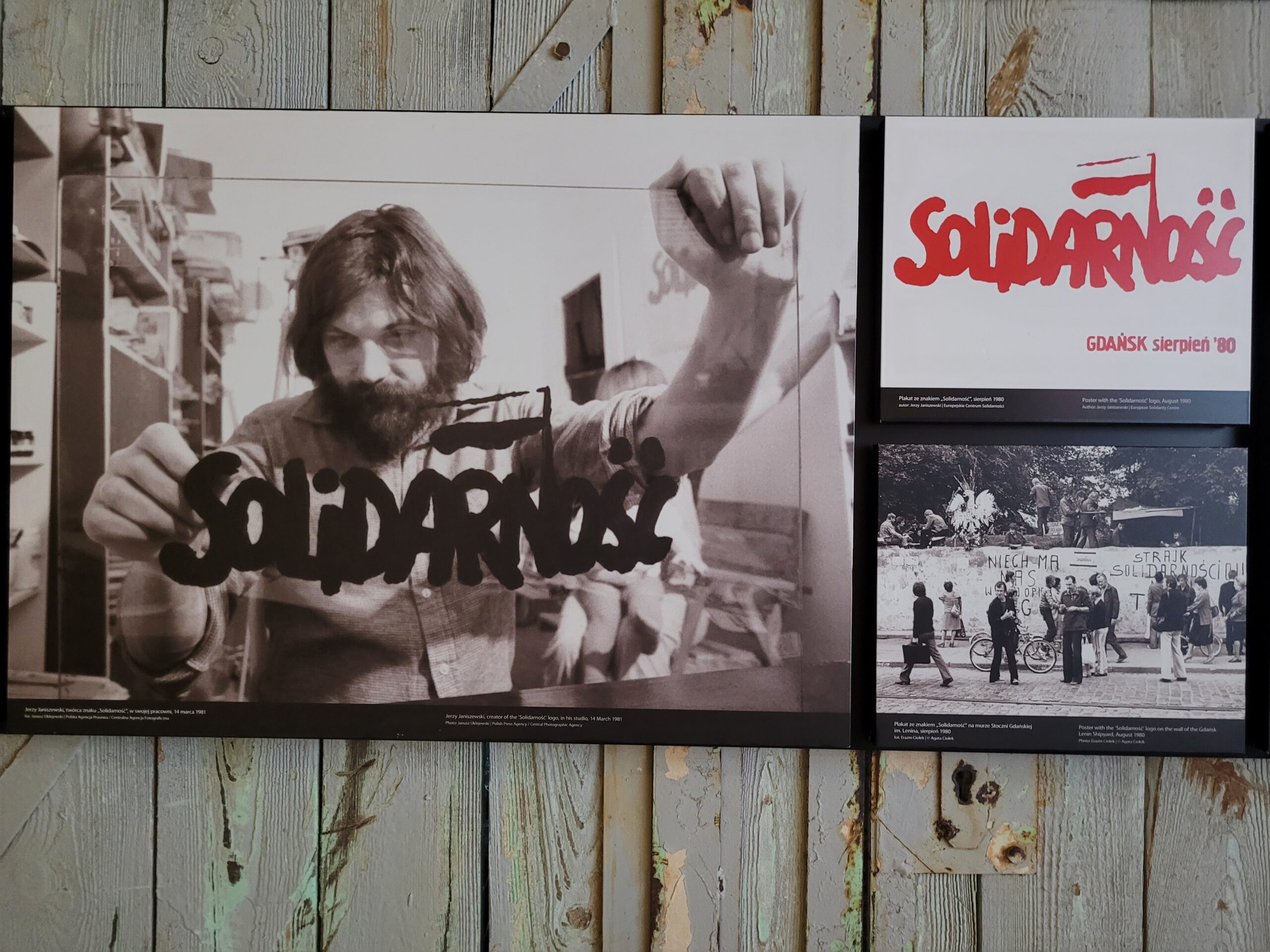
Solidarity has not been forgotten. The history of the largest trade union in history is important to the residents of Gdańsk. Many of us remember the demonstrations and strikes of the 1970s and 1980s. At the European Solidarity Centre, commonly known as the Solidarity Museum, you can delve into the times of communism and people’s struggle for dignity.
Strike at the Lenin Shipyard, August 1980. The founding of Solidarity
Initially, the strike at the Lenin Shipyard was organised in defence of Anna Walentynowicz, a crane operator who had been unfairly dismissed. It was only after a few days that the striking shipyard workers realised that the strike, which had been joined by other plants, could enable them to win respect for the rights and dignity of the working class.
At the end of August 1980, an informal general strike was underway throughout Poland. The communist government was forced to enter into talks with the strike committee. As a result of negotiations between the Strike Committee and government representatives, it was agreed, among other things, that an independent trade union could be established. This was a landmark event, as until then trade unions in communist countries had been dependent on the ruling parties.
The Solidarity trade union quickly became a threat to the communist government. The democratic procedures and independence that formed the basis of the union’s functioning were a crash course in democracy for the union’s 10 million members.
Martial law, 13 December 1981
On 13 December 1981, General Wojciech Jaruzelski declared martial law and outlawed Solidarity. On the same day, many members of the trade union’s leadership were arrested and interned. The streets of Polish cities were filled with soldiers, special forces, tanks and tear gas cannons. All demonstrations and strikes were brutally suppressed. Although the trade union no longer existed, the idea and legend of Solidarity lived on among Poles.
For me, the early 1980s were my childhood years. I will always remember the sight of militia patrols, queues for food in shops, and demonstrations in the centre of Gdańsk. That is why it is so important for me to tell the story of Solidarity not only from the perspective of a guide, but also from that of a child who witnessed these important events.